

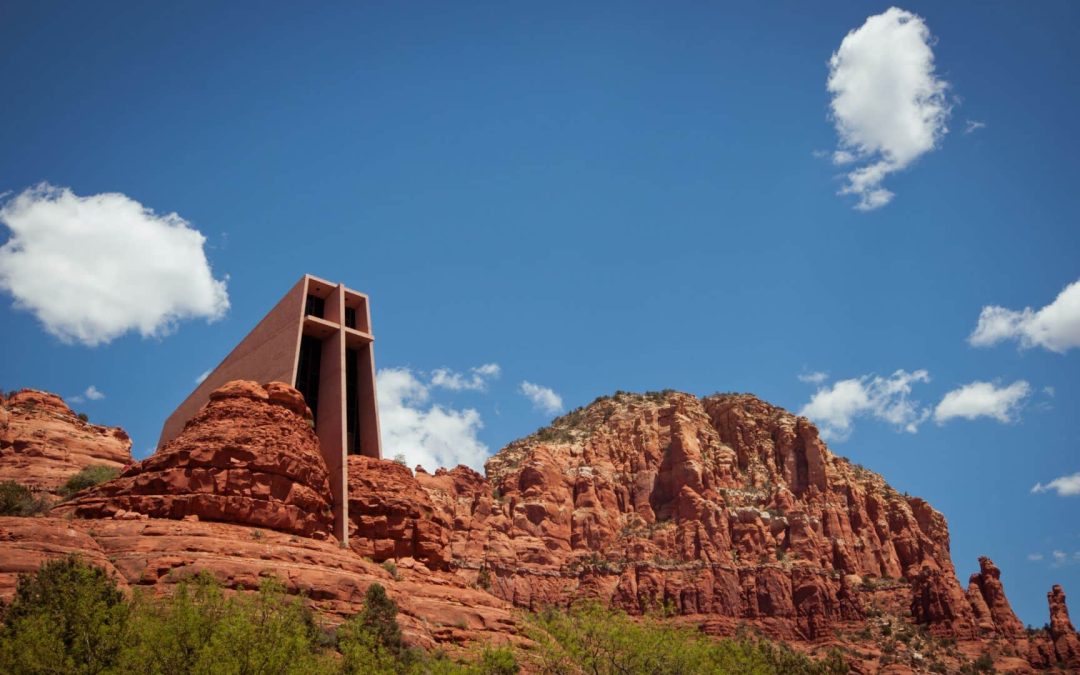
Tucked amidst the vibrant red rocks of Sedona, Arizona, lies a sacred marvel: the Chapel of the Holy Cross. Perched majestically, this architectural gem stands as a testament to spiritual reverence and architectural ingenuity. With its striking design, the chapel seamlessly blends into the surrounding landscape, offering visitors a serene sanctuary for reflection and contemplation. As sunlight dances upon its towering spires, the Chapel of the Holy Cross evokes a sense of awe and reverence, drawing pilgrims and tourists alike to its hallowed halls. From its inception in the 1950s to the present day, this sacred structure continues to captivate hearts and minds, leaving an indelible mark on all who behold its beauty. Join us on a journey to explore the spiritual significance and architectural grandeur of Sedona’s cherished treasure: the Chapel of the Holy Cross.
Origins and Architecture: Tracing the History of Sedona’s Iconic Chapel
The Chapel of the Holy Cross stands as a testament to both architectural ingenuity and spiritual devotion. Conceived by sculptor Marguerite Brunswig Staude in the 1930s, the chapel’s design was inspired by the striking red rock formations of Sedona, Arizona. Completed in 1956, the chapel’s construction involved a collaboration between Staude and architect Richard Hein. Its location, nestled amidst the rugged terrain of the Coconino National Forest, adds to its allure, drawing visitors from across the globe to marvel at its unique blend of modernist and organic architectural elements. Over the decades, the chapel has become not only a religious landmark but also an architectural icon, embodying the harmonious integration of human creativity with the natural environment.
Spiritual Significance: Exploring the Sacred Aura of the Chapel of the Holy Cross
For countless visitors, the Chapel of the Holy Cross exudes a palpable sense of sanctity and serenity. Set against the backdrop of Sedona’s awe-inspiring landscape, the chapel inspires contemplation and introspection. Many view it as a place of pilgrimage, where seekers come to connect with something greater than themselves. Its towering cross and minimalist interior evoke a sense of reverence, inviting visitors to pause and reflect on their own spiritual journey. Regardless of one’s religious beliefs, the chapel’s profound ambiance fosters a deep sense of peace and connection with the divine, making it a cherished sanctuary for spiritual seekers and devotees alike.
Red Rock Majesty: How Sedona’s Landscape Complements the Chapel’s Beauty
The Chapel of the Holy Cross owes much of its allure to its breathtaking surroundings. Situated amidst Sedona’s iconic red rock formations, the chapel’s architectural beauty is magnified by the natural splendor of its environment. Towering sandstone cliffs and mesas provide a dramatic backdrop, framing the chapel in a symphony of color and texture. The interplay between light and shadow further enhances its visual impact, casting an ethereal glow upon its angular facades. Whether bathed in the golden hues of sunrise or illuminated by the soft light of dusk, the chapel’s presence is heightened by the ever-changing canvas of Sedona’s landscape. Visitors cannot help but be captivated by the harmonious union of human artistry and nature’s grandeur that defines this sacred site.
Artistry in Design: Unraveling the Intricate Details of the Chapel’s Construction
The architectural marvel that is the Chapel of the Holy Cross is a testament to the vision and skill of its creators. Designed by Marguerite Brunswig Staude and architect Richard Hein, the chapel’s construction involved innovative engineering techniques to seamlessly integrate it into the natural rock formations of Sedona. Its sleek, modernist lines juxtaposed against the rugged terrain reflect a careful balance between human intervention and natural beauty. Inside, the chapel’s minimalist interior enhances its sense of tranquility, with clean lines and sparse ornamentation allowing the focus to remain on the spiritual experience. Every detail, from the placement of windows to the orientation of the cross, was meticulously planned to create a space that transcends the ordinary and elevates the soul.
Pilgrimage and Tourism: Understanding the Chapel’s Role in Sedona’s Cultural Fabric
The Chapel of the Holy Cross holds a special place in the heart of Sedona’s cultural identity, serving as both a spiritual sanctuary and a symbol of artistic expression. Each year, thousands of pilgrims and tourists make the journey to this sacred site, drawn by its beauty, history, and aura of tranquility. For many, visiting the chapel is a deeply personal experience, offering solace, inspiration, and a sense of connection to something greater than themselves. Its significance extends beyond religious boundaries, encompassing themes of art, architecture, and the timeless allure of the natural world. As one of Sedona’s most iconic landmarks, the chapel continues to play a vital role in shaping the cultural landscape of this vibrant community, welcoming visitors from all walks of life to experience its timeless beauty and spiritual resonance.
Contemporary Relevance: The Chapel’s Continued Impact on Visitors and Locals Alike
Despite its decades-long history, the Chapel of the Holy Cross maintains a profound relevance in contemporary times.
- Continual Inspiration: Visitors continue to flock to the chapel, drawn by its spiritual ambiance and architectural beauty, finding solace and inspiration within its walls.
- Cultural Hub: The chapel serves as a cultural hub, hosting events, concerts, and art exhibitions that contribute to Sedona’s vibrant artistic community.
- Economic Driver: Its status as a tourist attraction bolsters the local economy, supporting businesses and providing employment opportunities for residents.
Through its enduring appeal, the Chapel of the Holy Cross remains a cherished landmark that enriches the lives of both visitors and locals, embodying the timeless allure of Sedona’s spiritual and cultural heritage.
Preservation Efforts: Ensuring the Legacy of the Chapel for Future Generations
Recognizing the significance of the Chapel of the Holy Cross, efforts are underway to ensure its preservation for future generations.
- Historical Recognition: The chapel has been designated as a historical landmark, affording it legal protection and recognition of its architectural and cultural importance.
- Conservation Initiatives: Ongoing conservation efforts aim to maintain the chapel’s structural integrity and safeguard its natural surroundings from environmental degradation.
- Educational Outreach: Educational programs and guided tours educate visitors about the chapel’s history, architecture, and spiritual significance, fostering a deeper appreciation for its legacy.
By prioritizing conservation and education, stakeholders are committed to preserving the Chapel of the Holy Cross as a cherished symbol of Sedona’s heritage, ensuring that it continues to inspire and uplift generations to come.
Conclusion
The Chapel of the Holy Cross stands as a timeless testament to faith, beauty, and architectural ingenuity amidst Sedona’s breathtaking landscape. Its awe-inspiring presence draws visitors from around the world, offering a sanctuary for contemplation and spiritual connection. As we’ve explored its rich history, awe-inspiring design, and spiritual significance, it’s evident that the Chapel holds a special place in the hearts of locals and travelers alike. Whether you seek solace, inspiration, or simply wish to marvel at its splendor, a visit to the Chapel of the Holy Cross promises a memorable experience that transcends time and culture.
For further inquiries or to book your Sedona adventure with us, contact Sedona Tours And Travel at 888-277-5702. Our knowledgeable team is dedicated to curating unforgettable experiences that showcase the best of Sedona’s natural wonders and cultural treasures. Let us guide you on a journey of discovery and enchantment in this sacred land.
